
Understanding the profound effects of gambling addiction on mental health
Defining Gambling Addiction
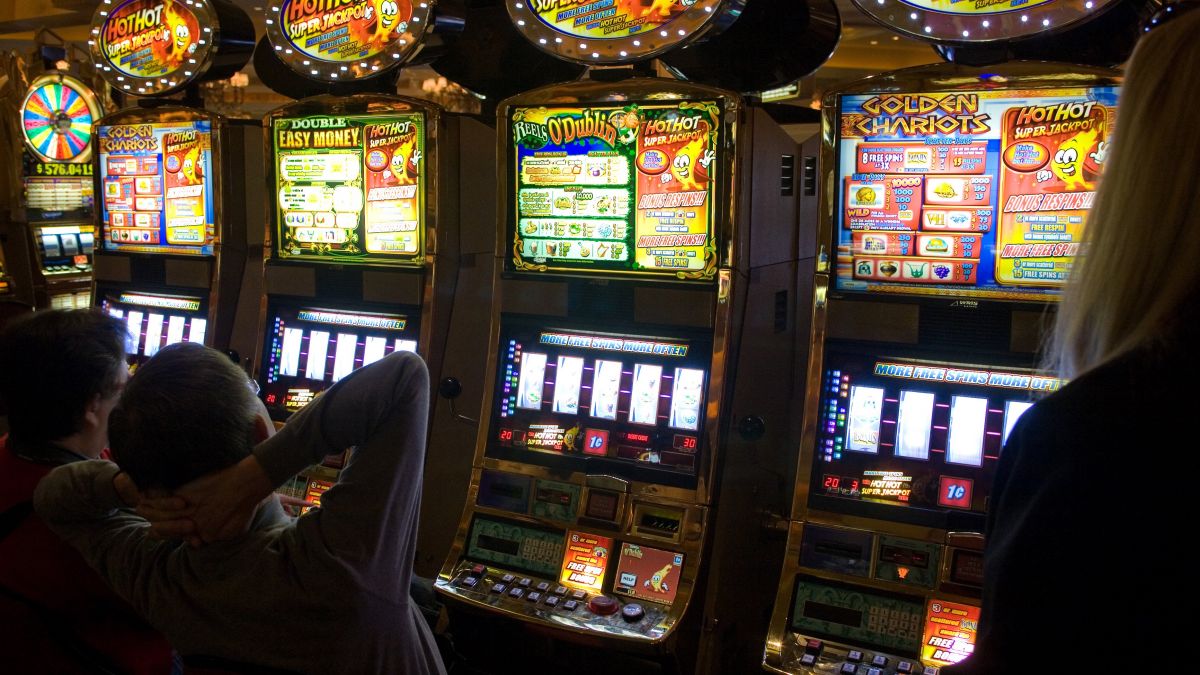
Gambling addiction, also known as compulsive gambling, is a behavioral disorder characterized by an uncontrollable urge to gamble despite the negative consequences it brings. This addiction can manifest in various forms, whether through traditional casino visits, online gambling platforms, or sports betting, including texas sports betting sites. Individuals may initially gamble for entertainment or socializing; however, the thrill of winning can quickly spiral into a compulsion that overshadows all aspects of life.

The psychological grip of gambling addiction often leads individuals to chase losses, further entrenching them in a cycle of financial despair and emotional turmoil. As they continue to gamble, they may experience significant distress, impacting their mental health by leading to anxiety, depression, and feelings of isolation.
Impact on Mental Health
The mental health effects of gambling addiction can be severe and multifaceted. Individuals often experience heightened levels of anxiety as they worry about their financial situation and the potential repercussions of their gambling behavior. This constant state of stress can lead to physical symptoms such as insomnia, headaches, and digestive issues, which further exacerbates mental health problems.
Moreover, gambling addiction is frequently linked to depression. Individuals may feel hopeless and trapped in a cycle of debt and shame, which can lead to suicidal thoughts or behaviors. It’s crucial for those affected to seek professional help, as addressing the underlying mental health issues is essential for recovery and rebuilding one’s life.
Differences Between Online and Offline Gambling
The distinction between online and offline gambling can significantly influence the severity of addiction. Online gambling often provides a more anonymous experience, making it easier for individuals to engage in risky behaviors without the immediate social consequences seen in physical casinos. The accessibility of online platforms allows for continuous play, often leading to extended gambling sessions and increased financial losses.
On the other hand, offline gambling typically involves more social interaction, which can sometimes serve as a moderating factor for some individuals. However, the thrill and excitement of being in a physical casino environment can also exacerbate the addiction for others. Understanding these differences is vital for developing appropriate intervention strategies for individuals struggling with gambling addiction.
Recognizing the Signs of Gambling Addiction
Recognizing the signs of gambling addiction is the first step toward addressing the issue. Common indicators include preoccupation with gambling, lying about gambling habits, and using gambling as a means to escape other life stressors. Individuals may also display signs of irritability when attempting to cut back on gambling or may continue to gamble despite experiencing negative consequences.
Additionally, it’s essential to note how gambling addiction can affect relationships. Often, the individual may withdraw from family and friends, leading to strained relationships and social isolation. Recognizing these signs can encourage loved ones to approach the individual with compassion and support, fostering an environment conducive to seeking help.
Resources and Support for Gambling Addiction
For individuals struggling with gambling addiction, numerous resources are available to provide support and guidance. Professional counseling, support groups, and hotlines can connect individuals with others who understand their struggles and provide essential tools for recovery. Therapeutic approaches, such as cognitive behavioral therapy, have proven effective in helping individuals reshape their thinking and behaviors related to gambling.
Moreover, education about the risks and effects of gambling addiction is vital. Websites that offer resources and information, such as those focusing on legal sports betting, can help individuals make informed choices about their gambling activities. With the right support and resources, recovery from gambling addiction is achievable, allowing individuals to regain control over their lives and mental health.